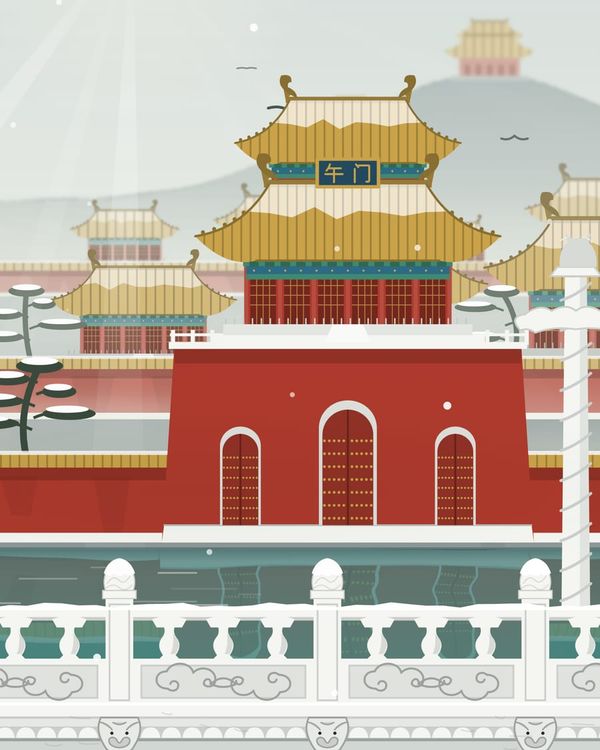
No class, no flashcards, no background needed. A few minutes a day, one question you actually want the answer to, always on a Chinese ink painting.
Your day, in three steps
Under a minute each, three different angles, never the same twice.
01
Morning
The character
Characters that look like twins, words that sound identical and mean nothing alike, and the tone traps that catch everyone.
02
Midday
Another angle
Grammar you can see, verbs you will actually use, and sentences built back to front, short enough to say out loud today.
03
Evening
The shape
How one character splits into parts, where a radical came from, and what a Chinese expression says word for word.
What a video looks like
One character, the everyday words it builds, half a minute to watch.

Why this is not another course
- Curiosity first, not a syllabus
- No homework, no score, nobody chasing you to keep up. Just one question a day that you want answered.
- No exam pressure
- If HSK is your goal, good. But here the point is to make Chinese readable and interesting first.
- One thing per video
- Each one is built so that a single thing sticks, instead of ten that are gone by this evening.
- On Chinese ink paintings
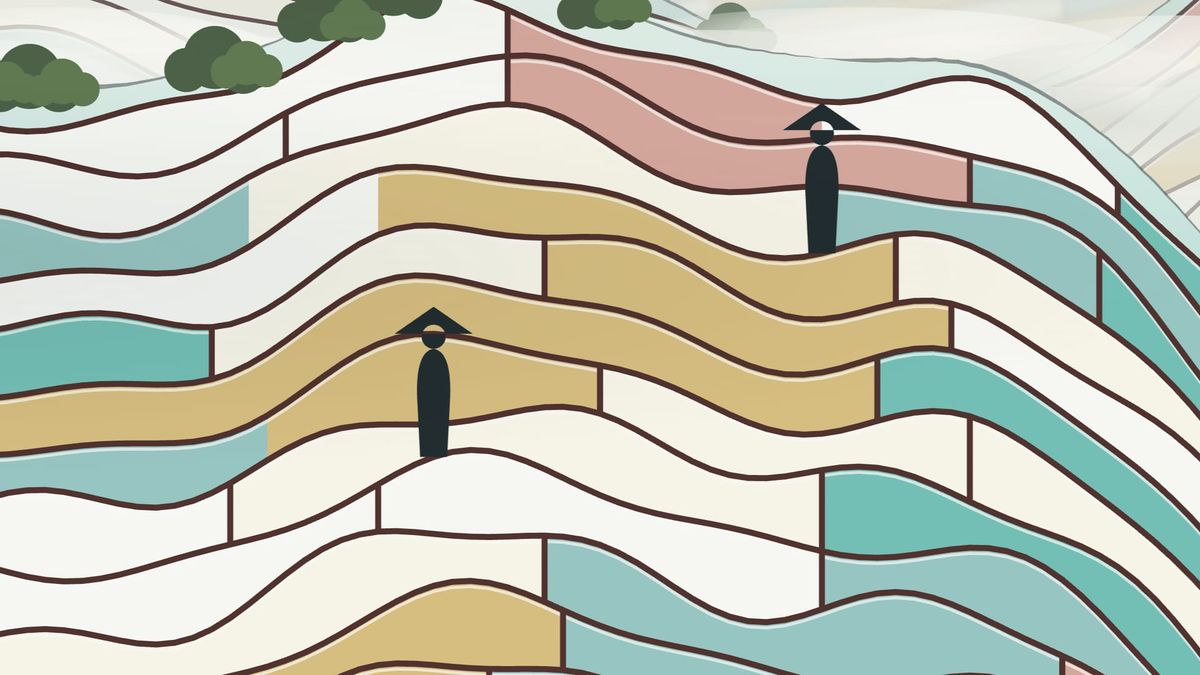
- Every video sits on an ink-wash painting of a real Chinese place, festival or story, so the language comes with the culture it grew in.
Questions people ask
Is Chinese actually hard to learn?
Tones and characters are the two things that scare people off. Tones are a listening habit, not a talent. And characters are not memorised one by one: they are built from a few hundred reused parts. Once you can see the parts, new characters stop being random.
I am starting from zero. Where do I begin?
Anywhere. Every video stands on its own and none of them assume the one before it. If you would rather have a path laid out, join the list and we will send them in an order that genuinely starts at zero.
How long before I can read something?
Around 300 characters covers most signs, menus and short messages. At one new character a day that is about a year, but you will read your first street sign in the first week.
Do I have to learn to write the characters?
No. If your goal is reading and speaking, typing Chinese runs on pinyin anyway, so we train recognition first. Handwriting is a pleasure you can come back for later.
Is this HSK preparation?
Most of the vocabulary sits in HSK 1 and 2, the same base the exam is built on, but we do not teach to the test and there are no mock papers. Use this as the foundation, then go to a dedicated course for the exam itself.
What does it cost?
Nothing. Every video is free on TikTok, YouTube, Facebook and Instagram, with no account and no sign-up needed to watch.
Start today. Three videos.
No need to feel ready. The first character takes under a minute.